Fifty Pence, Three Previous Owners: A Field Guide to the Charity Shop Book Shelf
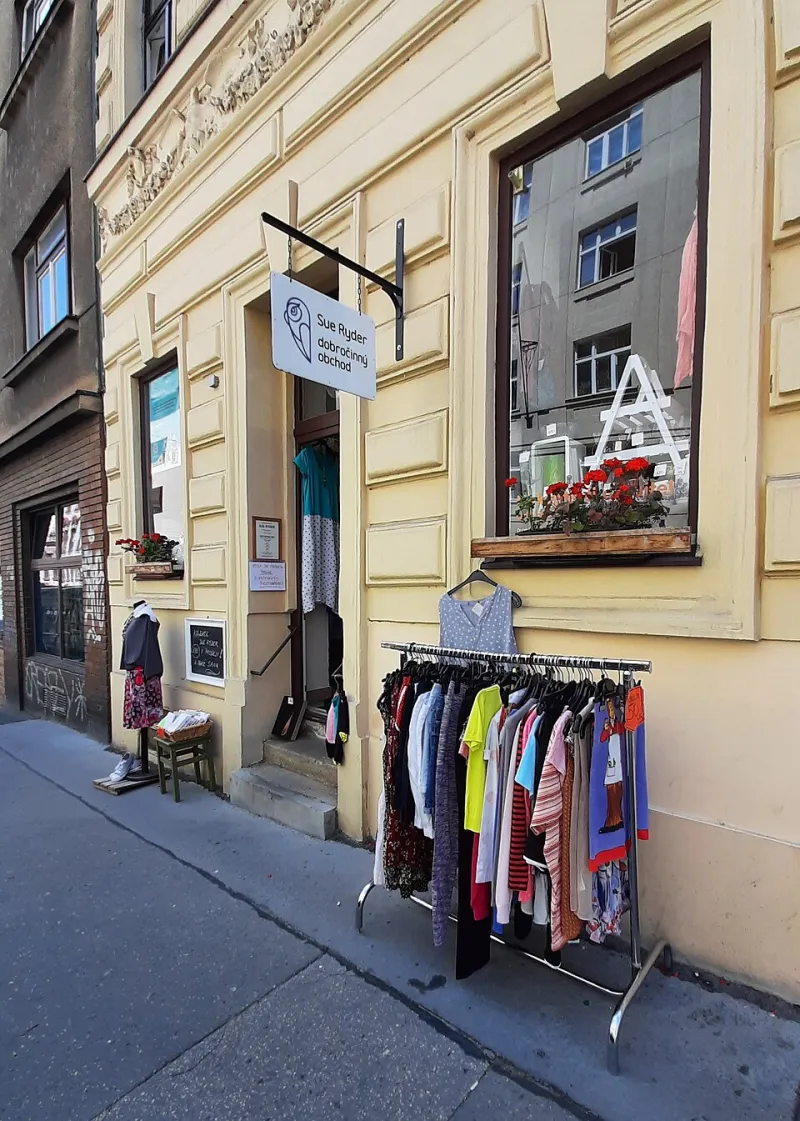
Photo: MAKY.OREL, CC0, via Wikimedia Commons
There is a particular smell to a charity shop book section. Dust, old paper, a hint of someone else's airing cupboard, and — if you're unlucky — the ghost of a damp removal van. I mean all of this affectionately. Some of the best reading I've done in the past few years has cost me less than a coffee, and came with somebody else's handwriting in the front.
Charity shop books are not a retail category so much as a sediment layer. Things settle there. Nothing is arranged by anything as pretentious as logic; the shelving is done by whoever's on the Tuesday shift, and their system is vibes. Which is precisely why it's the most interesting bookshop in Britain.
Everyone who loved this book before you did
Open any paperback at the front and you'll usually find an inscription, and the inscription is nearly always more moving than it has any right to be. To Mum, Christmas 1994, all my love always. To Pauline — happy birthday, don't read the last chapter first. Happy retirement, Alan, no more early mornings.
A book that was once a gift is now fifty pence. That's not sad, exactly — it's just a very compressed lesson in how things move through a family. Someone died, someone downsized, someone's kids cleared a shelf into a bin bag for the British Heart Foundation and here we are. I have bought books purely because the inscription made me feel something, which is arguably the cheapest form of therapy available in this country.
Then there's the biro. A name in a child's handwriting on the inside cover, the letters going wonky at the end. A phone number in the back that's now one digit short of a real one. A price pencilled in from a previous charity shop, which means the book has been round this loop before. Some of these paperbacks have had more homes than I have.
The bookmark is a sub-genre of its own
People do not use bookmarks. People use whatever was within reach, and then they abandon it, and then the book goes to Oxfam, and then I buy it and find:
- a bus ticket from a route that no longer runs
- a till receipt for £4.37 from a shop that closed in 2011
- a boarding pass, printed, for a flight to Alicante
- a flattened Quaver
- a lottery ticket that was never checked (I checked it. It won nothing. Sorry.)
- a photograph of a dog, and I think about that dog quite often
There is something slightly indecent about reading someone else's shopping list, and something deeply British about pretending you haven't noticed it while absolutely noticing it.
A complete history of British fame, in hardback
Every charity shop in the country has a celebrity memoir shelf, and it is always the same shelf. Katie Price. Peter Andre. Kerry Katona. Sharon Osbourne. Jeremy Clarkson, multiple times, dust jacket long gone. Ant and Dec. Someone off a soap who did a jungle show. A golfing autobiography nobody asked for.
What's striking isn't the titles — it's the duplication. Four copies of the same book, side by side, like a tide line. It tells you something quietly lovely about British reading habits: we buy these books in enormous numbers, we read them in about three days, and then we have absolutely no further use for them. Fame, in this country, is a lending library.
Where the classics go to wait
Wedged between the memoirs and the diet books, the good stuff hides. Penguin orange spines gone soft at the corners. A 1978 Middlemarch with a cracked hinge held together by hope. Maeve Binchy, always, in bulk. Captain Corelli's Mandolin, The No.1 Ladies' Detective Agency, Bridget Jones's Diary with a coffee ring on page nine. A secondhand Delia with annotation in the margins: less salt.
And then the national monument: A Brief History of Time, unread, spine unbroken, waiting patiently since 1996.
Then the internet found the shelves
Here's where the ecosystem gets interesting. Charity shop book hunting is now a fully online pastime. BookTok hauls. Reddit threads titled is this worth anything? Blokes in the corner of a shop, phone out, scanning barcodes, checking ISBNs against sold listings. The 50p find that turns out to be a first edition is now a genre of content with its own conventions and its own disappointments.
I'm not snobby about this. The resellers keep the shops open, and the shops fund hospice nurses. But it does change the mood. You can feel it when someone ahead of you at the fiction shelf is working, not browsing. And yet the same thing happens online that always happened offline: people get excited about a book, someone else sees the excitement, and a copy of The Secret History moves from a plastic tub in Stockport to a bedside table in Truro. The shelf is still a circulation system. It's just got a signal now.
The 50p rule
Here's my system, offered free of charge. Buy it. Read thirty pages. If you don't care by page thirty, put it back in the bag and return it to a different charity shop on your next trip out. Nobody loses. The charity gets fifty pence twice, the book keeps moving, and your house stays approximately the same weight.
That's the whole trick of these shelves, really. They're a library that nobody runs, funded by everyone, and the catalogue is whatever turned up this week. Go on a wet Saturday in November. Take a pound. Come home with something ridiculous.