Cat? Bin? The Thing: A Small Defence of Britain's Abandoned Shopping Lists
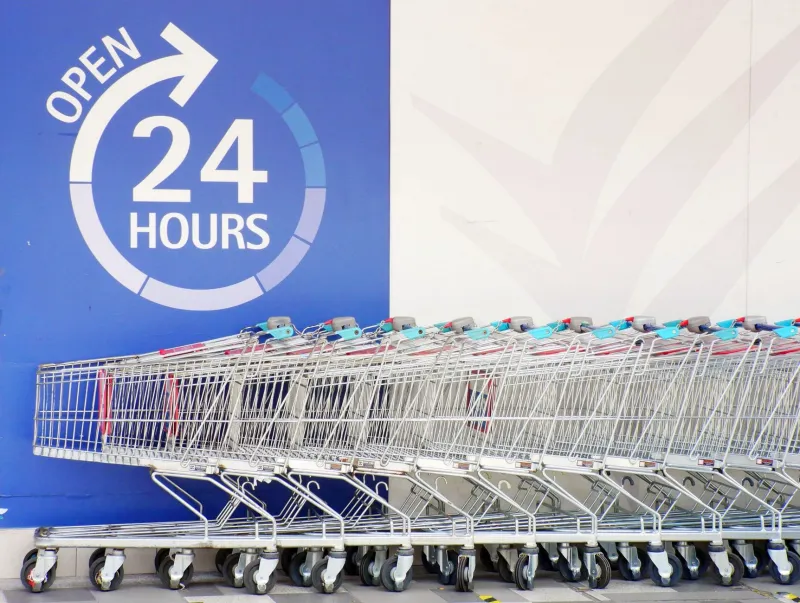
I found it wedged between the wire of a trolley and a bag of own-brand cashews: a scrap of envelope, biro bleeding slightly at the creases, reading "milk, batteries, sorry."
That was it. No quantities, no brand loyalty, no indication of what the sorry was for. An apology to the household? A note to a partner about the batteries? Regret, plainly, about the milk? I stood there longer than a man should stand in a supermarket car park thinking about someone else's shopping, and then — because I am that sort of person — I took a photo of it.
It turns out I am not alone in this, and that is somehow both reassuring and a little alarming.
The Trolley as Confessional
There is a particular kind of British document that nobody sets out to write. Not a diary, not a letter — a shopping list scribbled on the back of a doctor's appointment card at 7:40am, by a person holding a toddler's hand and a bin bag at the same time, thinking about four things at once and writing down three.
The results are extraordinary. Anyone who has spent time in the genre knows the recurring characters: bin bags (always in capitals, always urgent), cat food (never for a cat you have met), if time (a heartbreakingly optimistic addendum), and the free-floating noun "thing", which has clearly meant something specific to exactly one person on earth.
My own contribution to the archive is currently stuck to the fridge, and reads, in full:
cat? bin? the thing
I know what "the thing" is. I knew at the time. I could not tell you now under caution. This is the great tragedy of the mid-week top-up shop: written by a person with a plan, read by a person with no memory of the plan, executed by a person buying olives and a scented candle instead.
What the Scraps Actually Reveal
We think of shopping lists as boring. They are anything but. They are, in their own tiny way, a census of a household's priorities at a single moment — the only paperwork most of us produce that isn't written for anyone's benefit but our own.
Read enough of them and patterns emerge. Lists written in two hands suggest a household in negotiation. Lists with prices next to items suggest someone doing sums in the aisle, which is a form of quiet heroism. Lists with a single item crossed out three times suggest a person losing an argument with themselves about whether they really needed wine on a Tuesday (they did).
And then there's the apology. It shows up more often than you'd expect — sorry, sorry, forgot, sorry again — as though the list itself were a form of accountability, evidence that someone had intended to be organised and had failed, and wanted the record to show they knew it.
The Quiet Archivists
Somewhere between the hyperlocal Facebook groups and the more obsessive corners of Reddit, there is a small, low-volume community of people who photograph found shopping lists and post them online. Nobody is getting rich. Nobody is going viral. It is, by any measure, one of the gentlest feeds on the internet.
The format is almost always the same: a photo of the scrap on a kitchen table or a car dashboard, a brief caption, and then a comment section full of strangers doing what I did in that car park — speculating warmly about a life they will never know.
"The batteries and the milk together is worrying."
"This person has a cat and a sense of duty."
"'Sorry' is doing a lot of work here."
It is nosy, obviously. But it is nosy in the way a neighbour is nosy about whether you're all right — not to gossip, but because they'd like to help and don't quite know how. In a country that finds direct concern a bit much, reading a stranger's list and concluding yes, that one is having a week might be the most British form of sympathy available.
In Praise of the Failed Plan
There is a reason these scraps feel comforting rather than sad. They are proof of effort. Somebody, at some point, sat down and thought: I will be the sort of person who has milk in. That is a small, hopeful act, and the fact that it often fails — that the list ends up in a trolley, in a library book, in a coat pocket destined for the washing machine — doesn't make it less hopeful. It makes it human.
We live in an age of perfectly optimised lists. Apps that sync, meal plans that generate their own shopping, voice assistants that will order the bin bags before you've finished the sentence. And yet the crumpled envelope persists, because the crumpled envelope is faster, and doesn't require a login, and can be written one-handed while holding a bin bag.
So to whoever wrote milk, batteries, sorry and left it in a trolley in a Midlands car park on a wet Tuesday: I hope the milk got bought. I hope the batteries were for something good. And I hope you know that a stranger photographed your list, thought about it for far longer than was reasonable, and concluded you were doing fine.
We all are. Mostly. Apart from the cat. And the thing.