Plot Twists: The Unwritten Constitution of the British Allotment
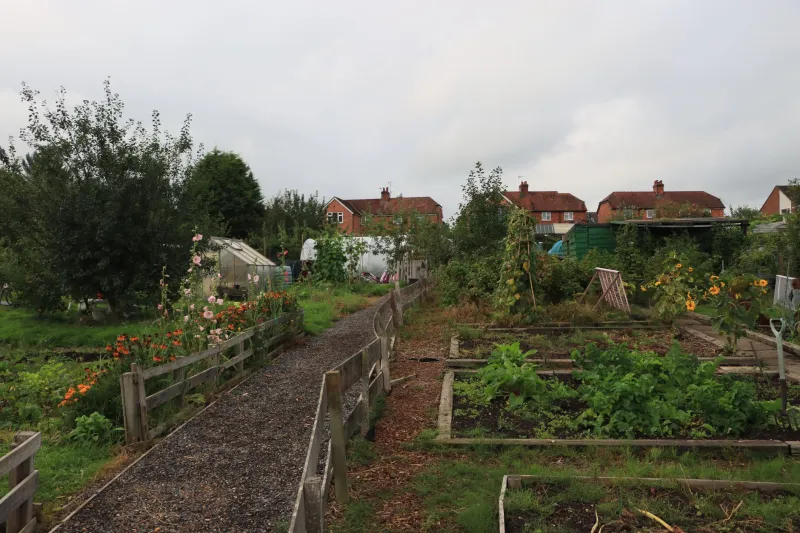
Every allotment site has its own atmosphere, and most of it arrives before you have seen a single carrot. There is the click of the gate, the smell of wet wood and tomato leaves, the distant thump of a radio tuned to something stubbornly analogue. Then comes the sound that defines the whole place: a fork going into the ground, followed by a pause long enough to suggest that the person holding it is not simply digging but considering the broader moral implications of where to dig next.
Allotments are often described as a bit of Britain in miniature. That is true, but not in the cosy way people usually mean. They are a miniature Britain of committees, queues, quiet grudges and unexpectedly generous neighbours. They are also one of the few places left where you can be judged almost entirely on the firmness of your compost.
A society with a waiting list
The first thing to understand about an allotment is that wanting one is often more socially acceptable than having one. Waiting lists can run for years, and the list itself becomes a kind of folklore. People speak of plots becoming available the way other people speak of buses: you wait ages, then two come along at once, and one of them has bindweed.
In 2026, the appeal is easy to understand. Allotments offer fresh air, cheap vegetables and the illusion of control over at least one small patch of the world. But they also offer something less advertised: an instant, low-level social network with no algorithm and no option to mute the man three plots down who has opinions about your edging.
New plot-holders arrive with plans. They have watched the videos, bought the seed catalogues and drawn diagrams involving raised beds. Within a month, they have usually discovered that the plot has other ideas. The soil is heavier than expected. The shed leaks. The previous tenant left behind a rusted incinerator and a philosophical note about slugs. The allotment does not care about your diagrams.
The shed as status symbol
Sheds are where allotment politics becomes architecture. A modest shed says you are practical. A large shed says you have either ambition or a suspicious amount of free time. A shed with a porch, a kettle and a framed map of the site says you have entered the upper house of plot society.
Shed envy is rarely admitted outright. It appears in sideways remarks: a compliment about the new felt roof that lingers a beat too long, a question about whether the padlock was really necessary, a mild observation that some people seem to spend more time brewing tea than digging. The shed is never just a shed. It is a statement of intent, a retreat, a store cupboard and, occasionally, a diplomatic embassy where disputes are settled over biscuits.
There are unwritten rules. You do not peer into another person’s shed without an invitation. You do not borrow a strimmer without asking. You do not comment on another plot’s weeds unless you are prepared to hear about your own. And if you are offered a cup of tea, you accept, even if it is 8.30 in the morning and the mug has clearly done several seasons of hard labour.
Seed-swap diplomacy
Then there is the seed swap, one of the quiet wonders of British social life. It looks like a table covered in envelopes. In practice, it is a delicate exchange of trust, surplus and reputation. Someone brings runner beans saved from a plant that did well. Someone else brings courgette seeds with a warning that sounds like a threat. A third person arrives with a small tub of tomato seeds and a story about a grandfather in Cumbria.
Seed-swap diplomacy runs on generosity and memory. If you take, you are expected to bring something back next year. If your seeds fail, there is sympathy, but there is also a gentle inquiry into what exactly you did with them. The cucumber is less a vegetable than an incident waiting to happen: too many in August, too few when you want one, and always the subject of a quiet contest about whose grew straighter.
Committee weather
Allotment committees are not usually dramatic in the way of national politics, but they are dramatic in the way of parish newsletters. Minutes are taken. Notices are laminated. A discussion about water butts can last forty minutes and end with everyone agreeing to form a sub-group.
The great issues are familiar: rents, gates, bonfires, dumped rubbish, the correct interpretation of the rule about hedges. The smaller issues are often more heated. Someone has parked across the track. Someone has put a sign up without permission. Someone has strimmed a path that was not theirs to strim. These are not trivial matters when the site is also a shared idea of order.
What makes it work, mostly, is that people see each other. They cannot disappear into usernames. They have to stand by the water tank and discuss the leak. That does not make conflict impossible, but it does make it harder to be entirely unreasonable. The allotment is a reminder that community is not a feeling; it is a set of small, repetitive negotiations about bins and boundaries.
The marrow as moral test
The village show or site competition is where all of this comes into focus. A marrow on a trestle table is never just a marrow. It is evidence of patience, water discipline, luck and the judicious application of well-rotted manure. Judging is taken seriously, but the real competition is often in the commentary from the sidelines: the admiration, the gentle disbelief, the speculation about what went into the soil.
There is a particular British pleasure in pretending not to care while caring deeply. The allotment competition is a masterclass in this. Entrants will say they only entered for a bit of fun, then examine the winning onions with the intensity of a detective at a crime scene. The best plots are admired, but they are also inspected for signs of cheating, by which people usually mean a suspiciously good compost heap.
What actually grows there
In the end, the vegetables are only part of the harvest. Allotments grow patience, petty rivalry, practical kindness and a certain tolerance for weather. They grow friendships that begin with a borrowed spade and end with a bag of surplus beans on your doorstep. They grow the strange comfort of knowing that, whatever else is happening in the world, someone on plot 14 is still covering their lettuce.
They are not perfect. Some sites are cliquey. Some committees are exhausting. Some plots are neglected and some rules are bent. But the allotment remains one of the most quietly radical spaces in Britain: a place where land is shared, knowledge is passed sideways, and the cucumber is allowed to cause a small, seasonal war.