The Blob Is Coming: Why Britain's Best Drama Is a Rain Radar
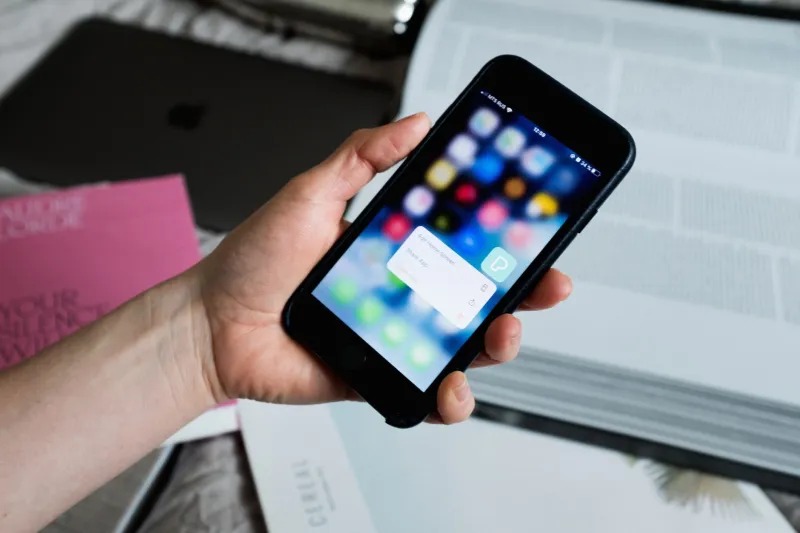
It is 6:52am and I am watching a blue blob. It is moving north-east at roughly the speed of a mildly motivated cyclist. In about forty minutes it will either clip the edge of town or miss us entirely, and I have decided that this is the most important thing happening in the world.
The kettle is on. The cat is unimpressed. And on my phone, the rain radar loops silently, again and again, like a nature documentary about weather that has learned to be a thriller.
I am not alone in this. Somewhere in Britain right now, millions of thumbs are doing exactly the same thing: opening the app, dragging the little timeline scrubber forward, squinting at a pixelated band of green, and thinking, come on, love, just hold off until I've got the washing in.
A nation glued to the nowcast
There was a time, not so long ago, when the weather forecast was something you received. You caught it at the end of the news, half-listened over the closing credits, and got on with your day. Now it is something we interrogate. We refresh it like a group chat. We zoom into our own postcode with the intensity of an air traffic controller. We have opinions about which app is more truthful, and we air them freely.
The Met Office app is the sensible sibling. BBC Weather is the one that occasionally panics. Then there are the hyperlocal upstarts — the rain radar sites, the amateur station networks, the apps that promise minute-by-minute precision and deliver something closer to educated guesswork. We love them all. We trust none of them fully.
What we are really doing, I think, is watching a story. And the rain radar is the best story on television, because it is the only one where you have a genuine personal stake in the outcome.
Why a moving smudge beats a cliffhanger
A good drama needs three things: a threat, a timeline and uncertainty. The radar loop has all three in spades. There is the blob, advancing with all the menace of a soap villain. There is the little clock in the corner, ticking towards your barbecue, your dog walk, your decision about whether to hang the bedding out. And there is the glorious, maddening uncertainty of it all — the fact that the blob might swerve, stall, split in two, or arrive twenty minutes early just to spite you.
A yellow warning is a plot device. An amber warning is a season finale. A red warning is the bit where the national news goes full orchestral and everyone starts stockpiling bread.
But the real drama is smaller than that. It is the two miles between your house and the next village. It is the way the radar shows rain on the far side of the valley while your garden stays stubbornly, gloriously dry. It is the text you send at 3:45pm — is it raining with you? — which is, when you think about it, one of the most British questions ever composed.
The parish meteorologists
Every street has one. The neighbour with the rain gauge and the spreadsheet. The person in the WhatsApp group who posts a screenshot at 7am with the caption this doesn't look good. The retired gentleman who has somehow become the unofficial forecaster for the entire cul-de-sac, and who delivers his verdicts with the quiet authority of a man who once got it right in 2019 and has never let anyone forget it.
Radar-watching has quietly created a layer of local expertise that would have baffled our grandparents. We can now talk, with reasonable confidence, about prevailing winds and weather fronts and whether a shower is 'tracking in from the west'. We use these phrases the way we use football formations: half-understood, fully committed.
And there is something lovely about that. It is a hobby with no equipment, no subscription, no gatekeeping. You don't need to be good at it. You just need a phone, a window, and a willingness to be wrong in public.
A small, ridiculous, shared optimism
The strangest thing about checking the weather seven times before lunch is that it never feels pointless, even when the forecast changes completely between checks. There is always a new loop. A new smudge. A new reason to hope that the rain will arrive after the school pick-up, or miss entirely, or hold off just long enough for the washing to dry.
Maybe that's the real appeal. Not the information, but the ritual. The tiny daily act of looking at the sky by proxy, of asking the same question and getting a slightly different answer each time. It is a national pastime with no winners, no losers and no admission fee — just a moving blue blob and a nation of people leaning in, waiting to see what happens next.
The blob is coming. I'd better go and get the washing in.